Going into Sekiro: Shadows Die Twice, I expected a linear narrative trip. What I got was the rare studio that kept its promises. That gap is what this review will spend the next thousand words pulling apart.
After 47 hours with Sekiro: Shadows Die Twice, the question I keep coming back to is: who is this game for? It's not a complaint — it's an honest editorial puzzle. Let me explain.
Gameplay
The core loop is intentionally over-long. You scout the next area, then you trade safety for upside, then you either commit or hit reset. What separates Sekiro: Shadows Die Twice from peers in the Action-Adventure space is the way the second decision changes the first one. It's a subtle thing, but you feel it more the longer you play.
There's no fluff in Sekiro: Shadows Die Twice's systems. Every menu is one click deeper than you expect; every tooltip says what it means; every system interacts with at least one other system. It's the kind of design that's invisible while you play and obvious when you stop.
Story & Setting
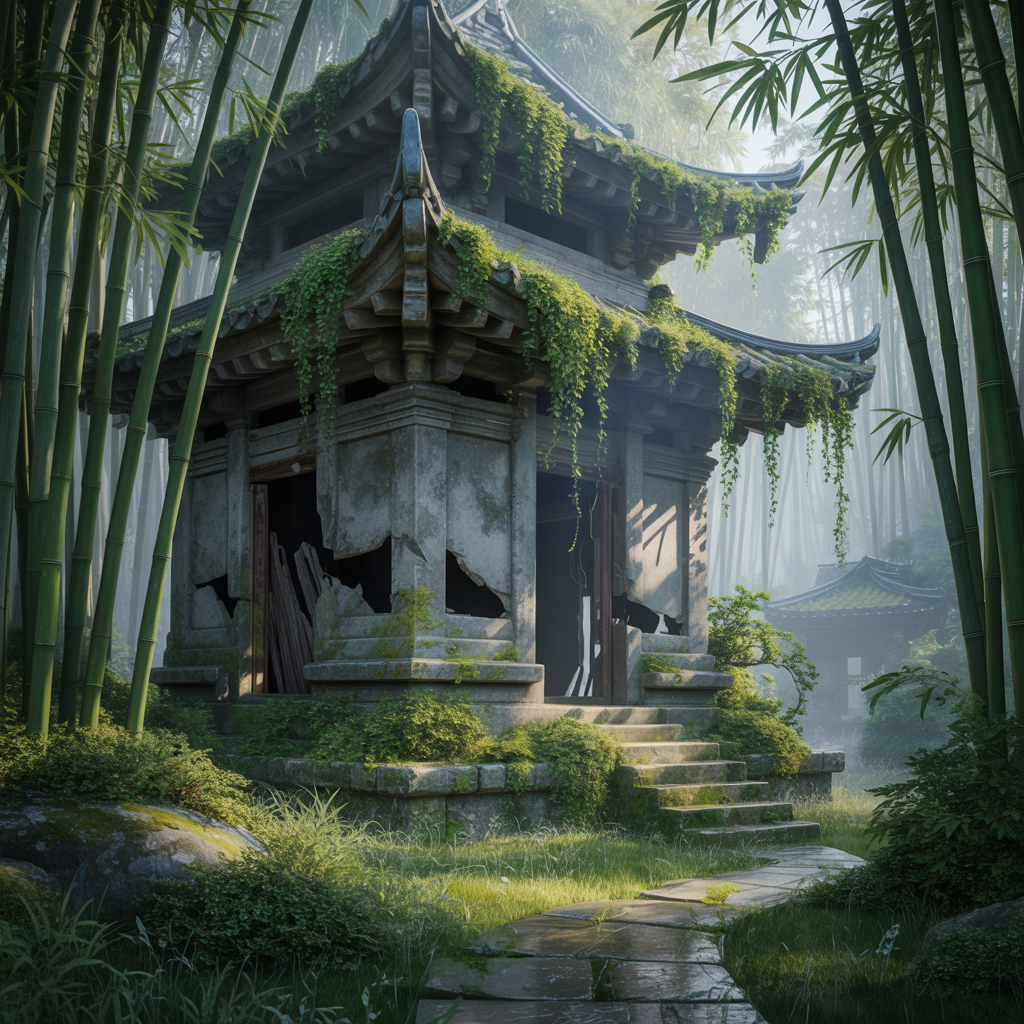
Where Sekiro: Shadows Die Twice stumbles narratively is in the middle. The opening is sharp, the ending is satisfying, and the long middle stretch — somewhere between hours 13 and 24 — has pacing problems that FromSoftware hasn't fully solved. Patches have helped. They haven't fixed.
Narratively, Sekiro: Shadows Die Twice works because FromSoftware keeps the stakes personal even when the scope is enormous. The headline plot involves the fate of a small village, but the moments that land are smaller — a conversation in a tavern, a letter you find in a desk drawer, a side character whose name you remember three weeks after the credits.
This is what a thirty-hour game looks like when it respects you.
Side Quest Standard
Visuals & Performance
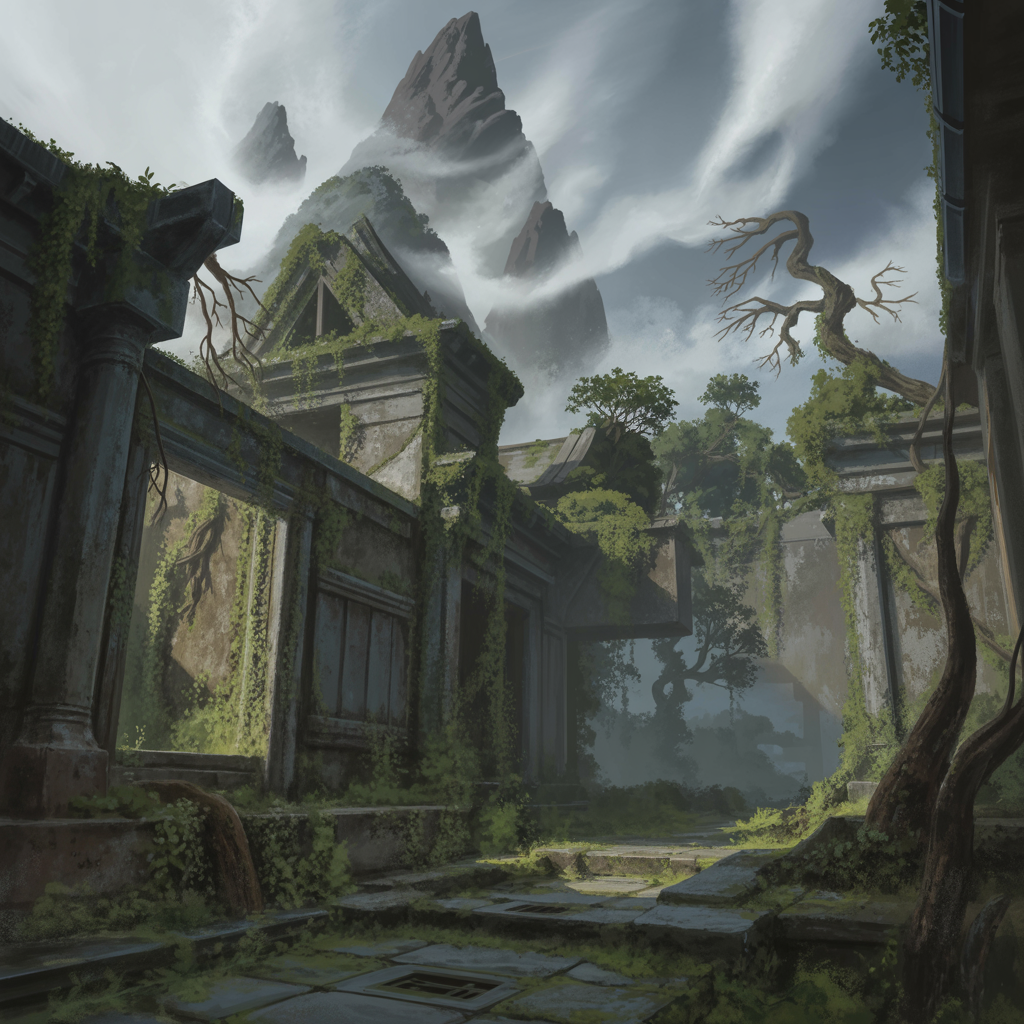
Visually, Sekiro: Shadows Die Twice prioritizes legibility over spectacle. That's the right call. FromSoftware could have built a tech demo. Instead they built a game where you can read the board at a glance and that's worth more than any number of polygons.
Verdict
FromSoftware has earned the benefit of the doubt with Sekiro: Shadows Die Twice. It's not their best work — that's probably still Stardew Valley — but it's a stronger argument for taking small studios seriously than any pitch deck.
We score Sekiro: Shadows Die Twice a 7/10. That's high for the genre, but the strengths are unambiguous and the weaknesses are addressable through patches. Worth the time of anyone with even a passing interest.
Verdict
| Category | Score |
|---|---|
| Gameplay | 8/10 |
| Story | 7/10 |
| Visuals | 9/10 |
| Replayability | 7/10 |
Frequently asked questions
How long does it take to finish Sekiro: Shadows Die Twice?
Main story runs around 30-40 hours depending on how thoroughly you explore. Completionists can spend 2-3× that.
Is Sekiro: Shadows Die Twice good for newcomers to Action-Adventure?
Yes — Sekiro: Shadows Die Twice is a great entry point. The early hours teach the systems gradually and the difficulty curve is reasonable.
Which platform should I play Sekiro: Shadows Die Twice on?
Console version is the most stable on launch. PC version benefits from the modding scene long-term.
Was Sekiro: Shadows Die Twice worth the launch-day price?
Depends on backlog. The replay value justifies the price for genre fans; casual players should wait for a 40%+ discount.
Are there DLCs or expansions worth picking up?
Wait for the Game of the Year edition — it bundles everything at a fair discount.
What did FromSoftware get right (and what could be better)?
Strongest: art direction, audio design, set-piece variety. Weakest: late-game balance and a few persistent quest-log bugs.
Comments
Comments are moderated. Be civil — disagreement is fine, abuse isn't.
Wish more outlets pushed back on the difficulty spike around hour 10.
Spent 60 hours with this. Worth every minute.
I disagree on the verdict. The story pacing is the real issue, not the combat.
Bought it on sale last week — already 18 hours in. Highly recommend.